Category Archive menu_en

Cruise Ship Shore Excursions

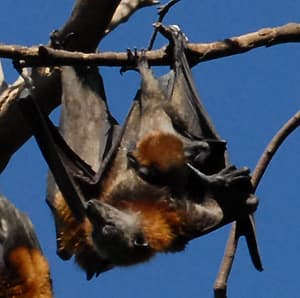
flying fox mother and pup

Authentic Wildlife Encounters

Travel Ideology specialises in observing Australian wildlife in natural habitats rather than relying solely on captive animal attractions. Depending on the season, location, and timing of your visit, guests may have opportunities to encounter:

  • Wild kangaroos
  • Wild wombats
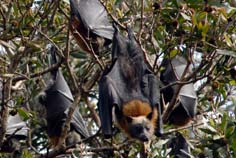
  • Flying foxes (Australian fruit bats)
  • Native parrots and birdlife
  • Pelicans and coastal wildlife
  • Reptiles and other native species

Because these are genuine wildlife experiences, every tour is unique. Sightings can never be guaranteed, but expert local knowledge and careful tour planning help maximise opportunities while respecting the animals and their environment.

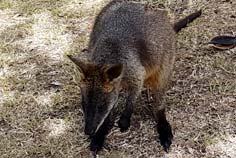
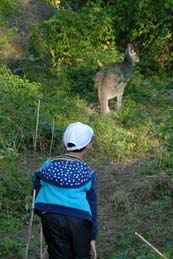
wallaby on cruise ship shore excursion with Travel Ideology

Flexible Shore Excursions for Cruise Guests

Travel Ideology works with cruise passengers to create realistic and enjoyable shore excursions based on the time available in port. Where wildlife viewing windows align with cruise schedules, specialised wildlife experiences can be arranged. When they do not, guests can still enjoy exceptional private touring featuring Sydney’s iconic landscapes, national parks, cultural experiences, and wildlife habitats.

This honest and responsible approach allows visitors to enjoy authentic Australian nature experiences rather than rushed itineraries that prioritise schedules over wildlife welfare.

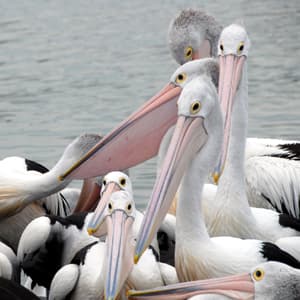
pelicans

Wildlife Tours Designed Around Animal Behaviour

One of the key differences between Travel Ideology and traditional shore excursion operators is an understanding that wildlife encounters are dictated by nature, not by timetables.

Many Australian animals, including kangaroos and wombats, are most active during dawn and dusk. Rather than offering unrealistic guarantees, Travel Ideology carefully designs itineraries around seasonal conditions, animal behaviour, and available daylight to maximise opportunities for authentic wildlife encounters.

For cruise passengers, this means receiving honest advice about which wildlife experiences are most suitable for their ship’s arrival and departure schedule. Some itineraries may focus on native birdlife, flying foxes, coastal wildlife, or scenic natural areas when dawn and dusk wildlife viewing is not practical.

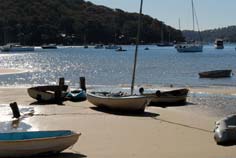
northern beaches

Make an Enquiry

    When does your ship arrive? (Date/Time)

    When does your ship depart? (Date/Time)

    sydney snake

    Deadly Sydney animals

    Deadly Sydney animals

    Deadly Sydney animals may not be front of mind when you think of Sydney. Possibly, you may think of our Opera House, Harbour Bridge, New Years Eve Fireworks or possibly, cute and cuddly animals. Whilst our city is all of these things, it is also home to some of the world’s most deadly animals. Unfortunately, many people associate Australia and its largest city with deadly animals. Whilst there are many deadly animals here, as a tourist, chances of dying after encountering a wild animal are extremely remote. Let us take you through the list of deadly Sydney animals and then explain why you will be unlikely to die by any of them.

    Deadly Snakes

    Of the most deadly Sydney animals, 21 of the 25 most toxic snakes in the world live in Australia. Sydney is home to 4 of these. These are normally in bushlands in and around the city. When hiking in the bushland areas, ensure that you wear enclosed footwear and walk on the tracks rather than through think grass where possible. If walking through areas where you cannot see your feet, make plenty of noise as this will normally scare off the snakes. Never place your hands into tree hollows where you cannot see what is there. Snakes normally only attack when cornered or someone tries to pick them up or walk on them.

    EASTERN BROWN (COMMON BROWN) SNAKE

    The eastern brown snake (Pseudonaja textilis), aka the common brown snake, is a highly venomous snake. Considered the world’s second-most venomous land snake after the inland taipan, it is responsible for about 60% of snake-bite deaths in Australia and certainly on of our city’s most deadly animals. It grows up to 2.4 metres (close to 8ft). Whilst it has small fangs, it has significant bite. It is often found in tall grass around the outskirts of highly urbanised areas. It is generally a solitary animal and as such you will not normally see it with other snakes.

    EASTERN TIGER SNAKE

    Tiger snakes (Notechis scutatus) are a highly venomous snake species. These snakes are highly variable in their colour, named after the banding like those on a tiger. Tiger snakes give birth to 20 to 30 live young. Tiger snakes account for about 17% of snake bite deaths in Australia. We were lucky enough to see one of these on one of our tours.

    DEATH ADDER

    The common death adder (Acanthophis antarcticus) is a species of death adder native to Australia. It is one of the most venomous land snakes in Australia and globally. The common death adder feeds on frogs, lizards and birds. Unlike many Australian venomous snakes this snake stays in one place and waits for prey to come to it.

    RED BELLIED BLACK SNAKE

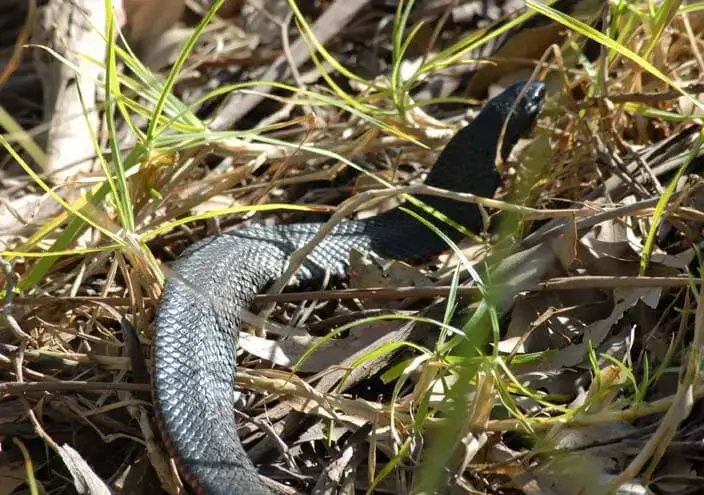
    The red-bellied black snake (Pseudechis porphyriacus) is a species of venomous snake endemic to the city and its surrounds. Averaging around 1.25 m in length, it has glossy black upper parts, bright red or orange flanks, and a pink or dull red belly. It is not an aggressive species and generally retreats from encounters with people, but can attack if provoked. Although its venom is capable of causing significant illness, no deaths have been recorded from its bite, which is less venomous than many other Australian snakes. It is the most commonly spotted snake in Sydney.

    Deadly Spiders

    Arguably the 2 most dangerous spiders in the world call Sydney home. Never pick up a spider. Sometimes spiders can live in shoes that are left outside. If leaving your shoes outside always check inside before putting them on. Funnel webs are often found in swimming pool filters.

    FUNNEL WEB SPIDER

    Many regard the funnel-web spider (Atrax robustus) as the world’s most venomous spider. Its bite is capable of causing serious illness or death in humans if left untreated. They are widespread throughout Sydney and you can often find them in swimming pool filters in people’s backyards. They can live underwater at the bottom of swimming pools for up to a week by carrying their own pouch of air. The Sydney funnel-web has a body length ranging from 1 to 5 cm. They are glossy and darkly coloured. It is another of our city’s most deadly animals.

    RED BACK SPIDER

    The redback spider (Latrodectus hasselti), also known as the Australian black widow is a species of highly venomous spider. The adult female is easily recognised by her spherical black body with a prominent red stripe on the upper side of her abdomen and an hourglass-shaped red/orange streak on the underside. Females usually have a body length of about 1 cm, while the male is much smaller, being only 3–4 mm long.

    Deadly Sharks

    The world’s 3 most dangerous sharks are found in the waters in and around Sydney. Most shark attacks in Australia are at dusk and dawn and are on surfers whom the shark mistakes for seals. With this in mind, it is best not to go swimming at these times in unprotected swimming areas.

    BULL SHARK

    The bull shark (Carcharhinus leucas) icommonly lives worldwide in warm, shallow waters along coasts and in rivers. It is aggressive in nature and lives in warm, shallow, brackish and freshwater systems including estuaries and rivers. Bull sharks thrive in both salt and fresh water and can travel far up rivers.

    GREAT WHITE SHARK

    The great white shark (Carcharodon carcharias), also known as the great white, white shark or “white pointer”, is notable for its size, growing to 6.1 m in length. They can live to 70 years or more. Great white sharks can swim at speeds of 25 km/hr for short bursts and to depths of 1,200 m. The great white shark has no known natural predators other than, on very rare occasions, the killer whale. It is arguably the world’s largest-known extant macropredatory fish, and is one of the primary predators of, up to the size of large baleen whales. It is responsible for more recorded human bite incidents than any other shark. Again, it is one of the most deadly Sydney animals.

    TIGER SHARK

    The tiger shark (Galeocerdo cuvier) is a large macropredator, capable of attaining a length over 5 m. Its name derives from the dark stripes down its body, which resemble a tiger’s pattern, but fade as the shark matures. The tiger shark is a solitary, mostly nocturnal hunter. Though tiger sharks are sometimes taken by groups of killer whales. Due to finning and fishing by humans, it is now a near threatened species. The tiger shark is second only to the great white in recorded fatal attacks on humans.

    Other Deadly Sydney Animals

    BLUE RINGED OCTOPUS

    Blue-ringed octopuses, comprising the genus are four highly venomous, species, of octopus. They are easily identifiable by their yellowish skin and characteristic iridescent blue and black rings that change color dramatically when something threatens the animal. The Blue ringed octopus is one of the world’s most venomous marine animals. They are 12 to 20 cm and are dangerous to humans if provoked. They can inject enough venom to kill a small child.

    The advice here is not to be picking up rocks in small rock pools and not to be placing hands in areas of these small rock pools where you can’t see.

    HONEY BEE

    Of all the deadly animals in the area, the one responsible for more deaths than any of those already listed above. The honey bee (Apis mellifera) is around 15mm long, golden-yellow, oval-shaped with brown bands. Normally 100 honeybee stings can kill a human, however, a single sting can be fatal to someone with allergies which is why they make this list. Whilst not native to Australia, the Honeybee is Australia’s deadliest insect and Sydney’s most deadly wild animal.

    CROCODILES

    Contrary to what I have read elsewhere on the internet, there are no crocodiles in Sydney with the exception of a few zoos. If you wish to see these deadly animals in the wild, you will need to go to QLD, WA or NT.

    STONEFISH

    You may have heard about the Stonefish. If you step on one, it is quite likely you will end up on hospital or dead. Fortunately, these are not found in Sydney. However, if you travel to Northern Queensland you will need to be careful.

    IRUKANJI JELLYFISH

    You may also have heard about the Irukanji Jellyfish, one of the most venomous jellyfish in the world. They are only 1cm long but their sting can kill a person. Fortunately, there are none in Sydney. However, if travelling to the Central Queensland coast on the North Western Australia coast you will need to take care where you swim. They are generally not found on the Great Barrier Reef.

    MOSQUITOS

    Mosquitos worldwide kill more people than all other animals combined. However, whilst mosquitos in Sydney can be a pain in the neck, none are deadly nor do they carry serious disease. In other parts of the country there are some serious and potentially fatal mosquito borne diseases such as Murray Valley Encephalitis, Ross River Fever and Dengue Fever. However, there have been no known mosquito related deaths in Australia since Malaria was eradicated in 1981.

    Other Deadly Animals

    Sydney is one of the safest cities of its size in the world. It generally does not have the violent or gun related crime as is the case in many US cities. However, there are a few things that visitors should know to keep safe.

    In Sydney, we drive on the left hand side. For international drivers not used to driving on this side of the road, this can cause problems that end in fatalities.

    In Australia, most Australians learn to swim at an early age. We also learn about rips in the ocean. These are strong currents that can drag an unwary swimmer out to sea.

    Conclusion

    Whilst there are more deadly Sydney animals than one would expect in an average city, the chances of seeing any of them in the wild during your visit are next to nil. Even less than that are the chances of dying from one of these deadly animals.

    87 people die by drowning each year in the whole of Australia

    During the period 2000 to 2010 the following shows the number of animal deaths:

    • Horses (77) [incl ponies & donkeys]
    • Cows (33) [incl all bovines, 16 by causing car accidents]
    • Dogs (27) [children under four years old and in elderly people]
    • Kangaroos (18) [mostly related to car accidents]
    • Bees (16) {people with allergies]
    • Sharks (16)
    • Snakes (14)
    • Spiders (0)

    If that doesn’t convince you then have a look at the following statistics.

    • 58 people die in Australia from falling out of bed every year;
    • 715 people die from slipping, tripping or tumbling in Australia per year;
    • 1,500 people die in Australia per year in road accidents.

    As you can see, less than one person per year dies from the teeth, fangs, stingers or tentacles of our deadly Sydney animals on average in the whole of Australia. The chances of dying from one of Sydney’s deadly animals are far less.

    That being said, if you see a snake in the wild, back away slowly. Don’t try and touch wild animals, especially any on this list. Don’t go swimming at dusk or dawn in known shark habitats. Swim between the flags at patrolled beaches and understand rips.

    Not so deadly animals that can cause pain

    Apart form the animals listed, there are still blue bottles, mosquitoes, ants and ticks that reside in Sydney that can cause you pain.

    Blue bottles live in our oceans and often wash up on our beaches. They have a nasty sting. If stung, best idea is to go to the surf life savers who may have vinegar or similar to put on the sting.

    Mosquitoes are common in summer, especially around areas with stagnant waters and are particularly prevalent at dusk and dawn. Whilst those in Sydney are unlikely to cause disease, they can be an annoyance ad their bites can cause pain. There are various insecticides that can be used to warn them away.

    Ants can bite and sting and are sometimes found in great numbers. So be careful not to launch your picnic on top of an ants nest.

    Ticks live in bushy areas. They will find the warmest parts of your body (arm pits, groin, hair). So if walking through the bush, check yourself thoroughly afterwards. Leaving ticks in can cause infection and Lyme disease.

    STING RAY FALLACY

    You may have heard that a sting ray killed Steve Irwin. In fact, it was a freak accident. Generally, sting rays are mostly harmless. In Steve’s case, he was swimming right on top of the sting ray and it struck its barb straight into his heart and ultimately he bled to death.

    You may also like to know more about our Sydney wildlife tours. Whilst this page was about the more deadly of our Sydney wildlife, the city and its surrounds offer some of the most beautiful and captivating wildlife in the world.

    Sydney is one of the safest cities in the world. Australia does not have the same gun crime associated with US cities and muggings and pickpocketing are rare.

    Stay safe in Sydney.

    sydney possums

    Sydney Possums

    Introduction

    People know our harbour city for its stunning landscapes, iconic landmarks, and diverse wildlife but not so much for its possums. While the city celebrates picturesque beaches and a vibrant urban life, it’s also home to a unique and often misunderstood group of inhabitants: possums. Sydney possums, specifically the Common Brushtail and Common Ringtail possums, are fascinating creatures. They play a significant role in the city’s ecosystem. In this article, we’ll delve into the lives of these nocturnal neighbours and learn about their importance in our urban environment. They live in highly urbanised areas and are often found in the roofs of people’s houses.

    The Common Brushtail Possum (Trichosurus vulpecula)

    The Common Brushtail Possum is perhaps the most recognizable of our city’s possums. These marsupials are known for their lovely bushy tails, which resemble a bristle brush. Their fur varies in color from grey to brown, and they have large, round eyes adapted for nighttime activity. Common Brushtail Possums are primarily arboreal. That is, they spend their days in tree hollows and emerging at dusk to forage for food.

    Brushtail Possum Feeding Habits and Diet

    Brushtail Possums are herbivores with a varied diet. They feed on a combination of leaves, flowers, fruits, and even the occasional insect. Their adaptability to urban environments has allowed them to make use of introduced plant species like roses and camellias, but they also feed on native flora.

    Nocturnal Lifestyle of Sydney possums

    Common Brushtail Possums are predominantly nocturnal, which means they are most active during the night. They have evolved to thrive in low-light conditions and are well-equipped for navigating tree canopies and rooftops with ease. Our city’s residents often hear their distinctive calls, which can range from gentle hisses to sharp screeches, during the nighttime hours.

    Brushtail Habitat and Urban Adaptation

    In their natural habitat, Brushtail Possums inhabit forests and woodlands. However, they have shown remarkable adaptability to urban environments. With the loss of their native habitats due to urbanization, these possums have taken up residence in suburban gardens, parks, and even the heart of the city itself. They utilize roof spaces and tree hollows as shelter, making them frequent visitors to suburban homes.

    Brushtail Conservation and Protection

    While Common Brushtail Possums may be seen as a nuisance by some due to their occasional nocturnal disturbances or foraging habits, they play a crucial role in maintaining the balance of our ecosystem. These possums help control insect populations and disperse seeds, aiding in the growth of native vegetation. Consequently, they are protected under Australian law. It is illegal to harm or relocate them without proper permits.

    Common Ringtail Possum (Pseudocheirus peregrinus)

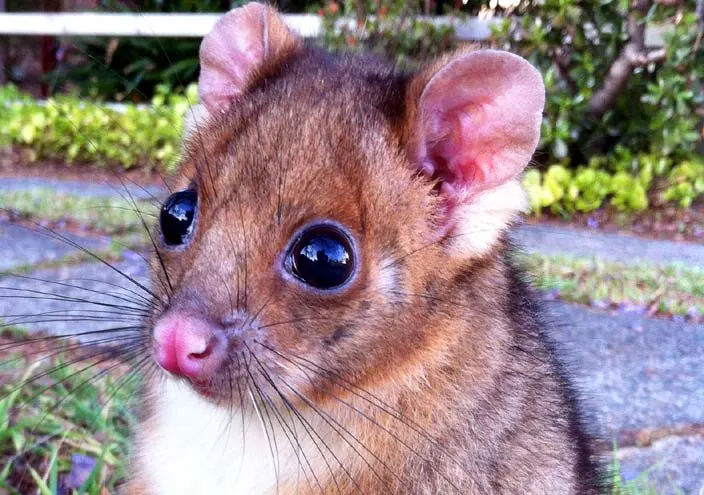
    The Common Ringtail Possum is another of our city’s possum species. These smaller, more delicate possums are known for their prehensile tails with a distinctive white tip. They are primarily folivores, meaning they mainly eat leaves, and have a diet composed of eucalyptus leaves, flowers, and a variety of other plant matter.

    Sydney Possums Social Behaviour

    Common Ringtail Possums are often more social than their Brushtail counterparts. They build spherical nests, known as dreys, which are made of twigs and leaves. These nests serve as both shelters and communal resting places. It’s not uncommon to spot multiple Ringtail Possums in a single drey, cuddled up together for warmth and safety.

    Urban Adaptation

    Just like Brushtail Possums, Common Ringtail Possums have adapted to urban life. They are frequently found in gardens, parks, and green spaces, using their strong tails to balance on powerlines and branches as they move through the urban canopy.

    Conclusion

    Our possums, both Common Brushtail and Common Ringtail, are intriguing nocturnal creatures. They have successfully adapted to the urban environment while retaining their essential roles in the ecosystem. As our city continues to grow and develop, it’s important for residents to coexist peacefully with these native animals, appreciating their unique characteristics and the vital part they play in preserving the city’s natural balance. By understanding and respecting these nighttime visitors, we can ensure that our city remains a vibrant and diverse habitat for all its inhabitants, human and possum alike.

    flying foxes

    Flying Foxes Sydney Tours

    Experience a colony of Sydney’s Flying Foxes – Completely Private Tours

    See thousands of flying foxes up close in their natural Sydney habitat on a fully private flying fox tour.
    This is one of the most unique Sydney experiences, offering close-up observation of one of Australia’s most fascinating native animals – The Flying Fox.

    Did you know? Flying foxes can travel up to 50 km each night in search of food, and their role as pollinators is vital to Australia’s bushland ecosystems.

    All tours are completely private — no strangers, no shared groups — just you, your group, and your guide.

    • Expert driver/guide – Your Bat-man
    • Limited private tour availability each day
    • Completely private experience (no strangers)
    • Hotel pickup included across Sydney
    • Approx. 2-hour tour
    flying fox mother and pup
    CHECK AVAILABILITY

    Your Flying Fox Experience

    Flying Fox Encounter (Signature Fruit Bat Sydney Tour)
    Observe thousands of flying foxes in their natural habitat. Watch them resting, stretching their wings, interacting, and moving through the trees and the air. Listen to the 20 to 30 vocalisations they make.

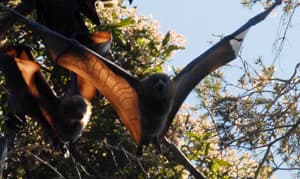
    Fun fact: Grey-headed flying foxes have a wingspan of up to 1 metre and can weigh up to 1 kg — they are truly spectacular to see up close.

    flying fox hanging around
    VIEW WIDLIFE TOURS

    What You’ll Experience

    • Being surrounded by thousands of flying foxes
    • Hearing their natural calls and observing social behaviour
    • Watching their natural activity — stretching, flying short distances, and interacting
    • Learn some of the amazing facts about these animals whilst observing their behaviour, including their role as pollinators and seed dispersers, which is crucial for many native trees
    • Guided insights from a knowledgeable Sydney Wildlife tour guide
    Fruit bats on a Travel Ideology visit to a flying fox colony.
    JOIN US

    Tour Quick Facts

    Inclusions: Fully private climate-controlled vehicle transport with direct pick-up and drop-off from your central Sydney hotel or cruise ship terminal by knowledgeable Sydney Wildlife guide.

    Duration: 2-Hour private express excursion.

    Perfect For: Wildlife lovers, photography enthusiasts, and travelers with limited time or short flight layovers.

    What You’ll See: Thousands of grey-headed flying foxes in an active, permanent native colony.

    Why Choose Our Flying Foxes Tour Sydney Experience?

    Duration: 2-Hour private express excursion.

    Perfect For: Wildlife lovers, photography enthusiasts, and travelers with limited time or short flight layovers.

    What You’ll See: Thousands of grey-headed flying foxes in an active, permanent native colony.

    • Knowledgeable wildlife focused guide – your Bat-man
    • Authentic natural habitat viewing (not zoos)
    • Completely private small-group experience (no buses, no minibuses, no crowds)
    • Flexible conditions based on animal movement and activity
    • Easy pickup from Sydney accommodation

    This is one of the few places in the world where you can observe hundreds to thousands of flying foxes together in one colony — a truly mesmerizing sight.

    Availability is limited, especially during peak season.
    Flying fox colonies are dynamic, and tours are intentionally flexible to ensure the best possible viewing experience.

    Testimonials

    ★★★★★ Sayoko B
    Walking with Flying Foxes

    “Thank you so much for the wonderful tour! It was an incredible and memorable experience for all of us. We also enjoyed talking with you and hearing about your experiences along the way. I will try to find some time to provide feedback.“

    ★★★★★ Serena Z
    Surrounded by a thousand flying foxes, a hidden gem!

    “Great experience seeing the flying foxes in Sydney! Surrounded by over a thousand of these amazing animals. 100% would recommend!“

    ★★★★★ Patrick N
    Amazing fruit bats!

    “This was an amazing experience with a super nice and knowledgeable guide. The bats were active and gorgeous!“

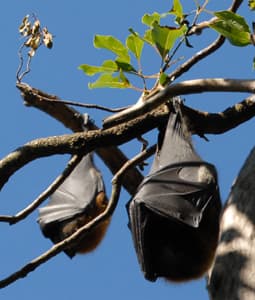
    Fruit bats cocooned in their wings.
    BOOK YOUR ENCOUNTER NOW

    Tour Details

    Departure Time: Usually 10:00AM. Alternate times available on request prior to booking.

    Inclusions:

    • Air-conditioned vehicle
    • Knowledgeable driver/guide
    • Hotel pickup and drop off

    Additional Information:

    This is a private tour/activity. Only your group will participate

    Confirmation will be immediate, subject to availability

    If child is less than 8 years, you must inform us prior to the trip so that we have a child seat with us and the tour can take place. This is a legal requirement.

    All travelers must sign a waiver of liability prior to commencement of the tour. This is an insurance requirement.

    Location: Pick-up from your Sydney hotel or agreed meeting point

    Duration: Approx. 2-hour private tour

    Flying fox with its outstretched wing showing off to a Travel Ideology tour.
    RESERVE NOW

    Flying Fox Facts – Fruit Bats Sydney

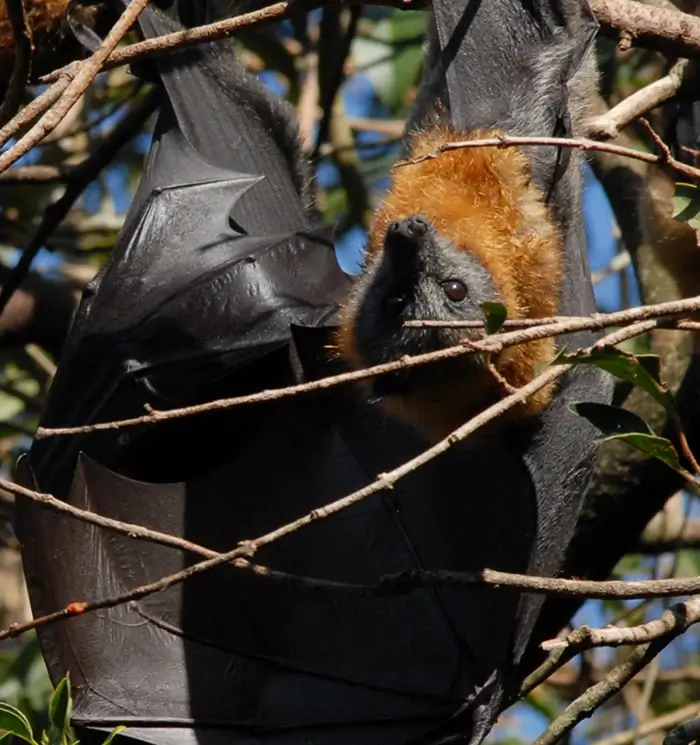
    The Flying Fox (also known as the fruit bat) is the largest of all bat species. There are three species found in the Sydney region, with the most common being the grey-headed flying fox.

    • Size: Up to 29 cm body length, wingspan up to 1 metre
    • Appearance: Grey fur extending down the legs with a copper-rust coloured collar
    • Behaviour: Active during the tour, resting, stretching, and socialising
    • Ecology: Essential pollinators and seed dispersers — one bat can pollinate up to 1,000 flowers in a single night
    • Diet: Mostly native fruits and nectar
    • Flight: Can fly up to 50 km per night

    Grey-headed flying foxes are listed as vulnerable, making your tour an opportunity to see and learn about a protected species up close.

    A fruit bat flying in a flying fox colony on a Travel Ideology tour.
    BOOK YOUR FRUIT BAT ENCOUNTER

    FAQ – Flying Foxes Tour Sydney

    + What exactly is a Sydney Flying Fox?

    Flying Foxes are giant megabats—among the largest fruit bats in the world—with impressive wingspans reaching up to one metre! They feature adorable, fox-like faces and play a vital role as pollinators and seed dispersers in the Australian ecosystem, supporting bushland regeneration and biodiversity. In Sydney, you will primarily encounter the Grey-headed Flying Fox.

    + Is this an indoor enclosure or a zoo exhibit?

    No, this is a 100% authentic wildlife experience in nature. Travel Ideology takes you directly to a real, permanent outdoor colony hidden within the Greater Sydney basin, where you can watch thousands of wild bats sleeping, flying, socializing, and caring for their young in their native treetop habitats.

    + How long is the tour?

    Approximately 2 hours.

    + When is the best time of year to see the fruit bats?

    While the colony remains active and viewable year-round, the fruit bats are present in their highest, most impressive numbers between February and May. During summer days, you can observe fascinating behaviours like the bats using their large wings to fan themselves cool or wrapping up in them like blankets on cooler days. Because peak seasons affect availability, booking early is recommended.

    + Where do you pick up and drop off?

    We pickup and drop off at your central Sydney hotel or other central Sydney location.

    + Is it safe?

    Absolutely. Flying foxes are observed in their natural habitat without contact. Your guide ensures a safe distance at all times.

    + Can I take photos?

    Yes! Many professional and semi-professional photographers join our tours.

    + Are children allowed on the tour?

    Yes, the tour is family-friendly. Children from four years are welcome.

    BOOK YOUR FLYING FOX TOUR

    sydney parrots on a private tour in Sydney

    Sydney parrots and other native birds

    Sydney Parrots & Native Birds Tour – Experience Nature Like Never Before!

    Discover Sydney’s Secret Birdlife: Parrots, Rainbow Lorikeets, Cockatoos & More – Up Close and Personal!

    Step Away from the Crowds and Discover a Different Side of Sydney

    Sydney is famous for its harbour, beaches, and iconic landmarks. But beyond the tourist hotspots lies a vibrant world of colourful parrots, laughing kookaburras, majestic pelicans, and fascinating native birds that many visitors never get to experience.

    Join us on a unique wildlife adventure and discover why Australia is home to some of the world’s most spectacular birdlife.

    couple of galahs on a Travel Ideology Sydney Parrot tour

    Why This Tour is Unmissable

    Did you know that Australia is home to over 50 species of parrots, and many of them can be found right here in Sydney?

    From the brilliant colours of the Rainbow Lorikeet to the intelligence of the Sulphur-Crested Cockatoo, Sydney’s birdlife is as fascinating as it is beautiful.

    Our Sydney Parrots Tour takes you to some of the best birding locations in the city, giving you an excellent chance to encounter these remarkable birds in their natural environment.

    • See multiple species of parrots including Cockatoos, Lorikeets, King Parrots, Corellas and Galahs.
    • Visit hidden natural havens rarely experienced by visitors.
    • Encounter other iconic Australian birds including Kookaburras, Pelicans, Ibises, Magpies and Black Swans.
    • Enjoy a relaxing day exploring nature with an experienced local guide.
    • Experience a side of Sydney that most tourists never see.
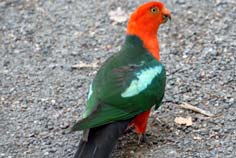
    A king parrot observing us on a Travel Ideology Parrots day tour.

    Watch Sydney’s Birds Come to Life

    These aren’t birds hiding in distant forests.

    They live throughout Sydney and have become famous for their intelligence, personality, and playful behaviour.

    Watch their playful antics! Listen to the screeches of cockatoos or the laughing of the kookaburra!

    Every day is different. On some tours we may encounter just a handful of species, while on others we can see ten or more different parrots and native birds throughout the day.

    A unique island seen on a Travel Ideology Sydney day tour.
    CHECK AVAILABILITY

    Your Day on the Tour

    A Unique Island Paradise

    Your adventure begins with a leisurely early morning ferry ride to one of Sydney’s most unique islands.

    There are no private cars here. Residents use wheelbarrows to transport groceries, children ride bicycles to the ferry wharf, and native birds thrive in a peaceful environment that locals affectionately call “paradise.”

    As we explore the island’s quiet pathways and beautiful scenery, we will search for:

    • Rainbow Lorikeets
    • Sulphur-Crested Cockatoos
    • Kookaburras
    • Eastern Rosellas
    • King Parrots
    • Corellas
    • Galahs
    • Pelicans
    • …and many other native species.
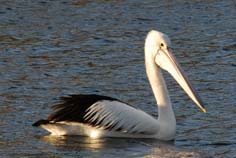
    A pelican spotted on a Travel Ideology tour.
    BOOK NOW

    Olympic Park Wetlands Experience

    We stop for lunch at Sydney Olympic Park, host of the 2000 Olympic Games.

    Here you’ll meet some of Sydney’s famous ibis—affectionately known by locals as “bin chickens”—before visiting a nearby wetlands sanctuary.

    From a specially designed bird hide, you’ll enjoy excellent viewing opportunities for water birds and wetland wildlife.

    Depending on conditions, we may encounter:

    • Pelicans
    • Black Swans
    • Herons
    • Egrets
    • Lapwings
    • Ducks and other water birds

    Bring your binoculars (or use ours) for the best experience.

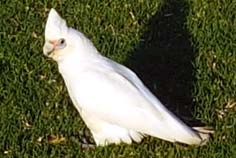
    A little corella spotted on a Travel Ideology parrot experience
    BOOK NOW

    Suburban Parrot Safari

    In the afternoon, we visit suburban areas where Sydney’s parrots have made themselves at home.

    These neighbourhoods provide excellent opportunities to observe parrots feeding, socialising, and interacting with their environment.

    This final stage of the tour often delivers some of the day’s most memorable wildlife encounters.

    Our Bird Sighting Guarantee

    These are wild animals, and nature always has a mind of its own.

    However, we aim to show you at least 3 species of parrots. If we don’t, we will organise another opportunity until we have.

    Fun fact: This has never happened in the history of our Parrots Tour.

    Who Will Enjoy This Tour?

    This experience is perfect for:

    • International visitors wanting to experience authentic Australian wildlife.
    • Nature lovers looking for something different from the usual Sydney attractions.
    • Photographers seeking colourful and unique subjects.
    • Families, couples and solo travellers.
    • Anyone who appreciates beautiful wildlife and peaceful natural surroundings.

    Please note that while birdwatchers are welcome, this is not a specialist twitcher’s tour. Our focus is on providing an enjoyable wildlife experience rather than detailed scientific birding.

    What Our Guests Say

    ★★★★★ Lynne R

    “Locals would talk about visiting … and insisted it was a must visit. I’m so glad I went. My experience was excellent, a lovely change from the norm. We had so much fun and the weather was great!”

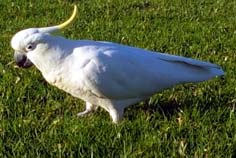
    A sulphur crested cockatoo on the grass
    BOOK NOW

    Book Your Sydney Parrots Tour Today

    Early mornings provide the best opportunities to see Sydney’s birds at their most active and colourful.

    Tours are limited, and every tour offers a unique opportunity to discover a side of Sydney that many visitors never experience.

    • See colourful parrots in their natural environment.
    • Explore a unique island paradise.
    • Visit Olympic Park wetlands.
    • Enjoy expert local guidance.
    • Experience Sydney’s incredible birdlife up close.

    On this parrots tour, we will search for parrots in at least 3 different locations. During the day we may see many of our colourful parrots including king parrots,  cockatoos, lorikeets, corellas, galahs, more parrots . On some days we may only find a few of these species, on others we will find ten or so. Often, we may also see other native birds including our pelicans, ibises, kookaburras and magpies.

    BOOK YOUR PARROT TOUR

    FAQs

    + Is this a technical birdwatching tour or a fun wildlife experience?

    This tour is designed specifically for international tourists, families, and photography lovers who want to experience the incredible beauty, vibrant colours, and unique sounds of Australia’s native birds. You don’t need any special knowledge or gear—just an appreciation for nature and a camera!

    + Are the parrots and birds in cages or an aviary?

    Not at all! Every single bird you see on this private tour is completely wild and free-flying. We do not visit zoos or commercial enclosures. Travel Ideology takes you to beautiful, natural outdoor areas where these birds gather freely in their native habitats.

    + Will we see other famous Australian birds besides parrots?

    Yes! While the main focus is on our brilliantly coloured parrots (Cockatoos, Lorikeets, King Parrots, Corellas and Galahs), we also look for other legendary Australian birds known for their incredible behaviours rather than their bright feathers. This includes the famous Laughing Kookaburra, known worldwide for its unmistakable, booming “laugh,” and the elusive Superb Lyrebird—a master mimic capable of copying almost any sound it hears, featuring spectacular tail plumage on the males. We also may see Pelicans, Ibises, Magpies and Black Swans.

    + Can we feed the wild birds?

    To keep Australia’s wildlife healthy and protect their natural behaviours, we practice ethical, non-contact viewing. We do not feed the birds or disrupt them. Because we know their favourite native flowering trees and habitats, we can position you for incredible, close-up photos naturally without altering their wild diet.

    + What should I bring with me?

    Be sure to bring a camera or a smartphone, as the colours of the parrots and the sights of the bush are spectacular! Comfortable walking shoes, a sun hat, and a light jacket are also recommended since we will be spending our time out in the fresh air exploring beautiful local parklands and forest edges.

    + Where do you pick up and drop off?

    This is a 100% private excursion just for your group. We handle everything, providing convenient door-to-door transport with direct pick-up and drop-off from your downtown Sydney hotel, Airbnb, or cruise liner terminal.

    Sydney Wildlife Tours

    Sydney Wildlife Tours

    Experience Australia’s Extraordinary Wildlife in the Wild

    customer with Eastern Grey Kangaroo on a Travel Ideology Walking with Wild Kangaroos Tour

    The very best Sydney wildlife tours are at Travel Ideology. We take international tourists out of the concrete jungle and get you up close and personal with our amazing Sydney wildlife in the wild. We enjoy showcasing our wonderful, diverse, and often quite bizarre wildlife as part of our Sydney tours.

    Moreover, we offer the very best private wildlife tours in Sydney for experiencing Australian wildlife including kangaroos, wallabies, wombats, water dragons, goannas, lyrebirds, emus, pelicans, parrots, and much more. Sydney wildlife is some of the most interesting in the world and our tours put you right amongst it. Come with us to explore Australia’s native fauna.

    Australia has wildlife comparable to the Galapagos Islands and Madagasar.

    Comparable with the Best Wildlife Tours in the World

    Australian wildlife rivals the fauna of Madagascar, the Galapagos Islands, and the game parks of Africa in terms of diversity. Sydney is the ideal place to experience it and our beloved trips put you right amongst it.

    Apart from having some of the most dangerous animals in many categories, we feature:

    • Cube-Poopers: Creatures that excrete completely square droppings.
    • Pouch-Bearers: Many native species that carry their young in a pouch.
    • Forward-Movers: Famous animals that biologically cannot walk backwards.
    • Flying Mammals: Some of the largest furry flying mammals in the world.
    • Largest hopping animals: World’s largest hopping animals that propel themselves through the air by jumping.
    • Egg-Laying Mammals: Rare monotremes (egg-laying mammals).

    If you are looking to experience Australian wildlife in the wild, you have come to the right spot. Our “in the wild” Sydney tours are up there with the world’s best wildlife.

    Unusual Sydney Wildlife: True Wilderness, No Cages

    See our Australian wildlife including kangaroos, wombats, flying foxes, and beautiful parrots and pelicans in the wild. You can see wildlife in a zoo, but it is not really wildlife. In fact, some animals look downright depressed in their small caged environment.

    While it is OK for some to go and see the animals in a zoo, we are offering something considerably more—a wildlife encounter in the wild. Our Sydney Wildlife Tours put you right amongst it.

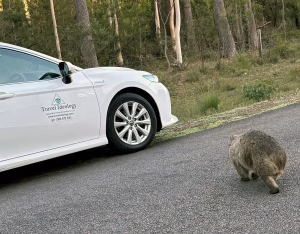
    A wombat crossing the road to join a Travel ideology tour

    The Power of Small Private Tours

    We operate small private tours, which allows us to get much closer to the wildlife in the wild. With only your group of normally 2 to 7 people, we manage to get quite close to the wildlife, observing behaviours not found in captivity.

    Sometimes other operators take minibuses full of tourists. Imagine a wall of 20 people heading towards wild wombats. The animals, fearing for their safety, scatter, running back to their burrows and often do not show their heads again. Sometimes, just one loud character can ruin everyone’s animal encounter. That is why we concentrate exclusively on small private tours.

    Not only that, the travel to and from the habitats is more like a relaxed two way conversation with a friend than irritating background noise.

    Sydney Wildlife is Diverse

    Sydney wildlife is pretty impressive for a large international city. Australia’s most famous native animals are by far its marsupials. Kangaroos, wombats, and koalas are some of Australia’s most internationally recognised and adored animals, and they may be found not far from our city.

    We have unusual animals found in no other countries with some pretty impressive traits, as well as large impressive birds and more than our share of beautiful, colourful parrots. Whilst you will not find most of these wild animals in Pitt St, no tours are complete without seeing our amazing wildlife. Here are some of the amazing fauna that you may spot on our Sydney wildlife tours:

    Meet the Stars of Our Sydney Tours

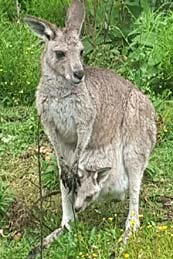
    A drenched kangaroo and joey spotted on a Travel ideology Walking with Wild Kangaroos Tour.

    Iconic Kangaroos

    • The Eastern Grey: None of our iconic Sydney wildlife is more loved than our kangaroo. The beautiful and iconic Eastern Grey Kangaroo lives throughout the Eastern third of Australia.
    • Unique Movement: The largest animal in the world to use jumping as its primary means of movement. Furthermore, it can only move forwards and has an advanced reproductive cycle, making it a beautiful animal to study.
    • Impressive Size: It is from the macropod (meaning “big foot”) family and grows up to about 160 cm tall.
    • Our Tours: The best way to experience wild kangaroos is to book one of our Walking with Kangaroos Tours—one of our most popular wildlife tours. You can also see them on our Walking with Wombats Tours. For a completely different slant, if you are interested in seeing them in a township roaming free amongst the people who live there, join our Urban Kangaroos Tour.
    A wild wallaby on a Travel ideology Sydney Tour.

    Cutest Swamp Wallabies

    • The Pouch Cousin: The swamp wallaby is the smaller cousin to the Eastern Grey kangaroo and possibly the cutest of Sydney wildlife.
    • Distinct Looks: It is also called the black or black-tailed wallaby due to its blacker complexion, especially around the paws, feet, and tail, as well as a squatter nose.
    • Where They Live: They grow up to about 76 cm in height and are found in a number of bushy southern, western, northern, and northern beaches locations.
    • Our Tours: To see wallabies, join us on one of our Northern Beaches Tours. We can also arrange custom tours that specialise in finding wallabies.
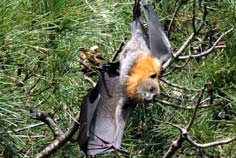
    A flying fox stretching on a Travel Ideology Sydney Tour.

    Magnificent Flying Foxes

    • Giant Bats: Our Flying Fox (aka Fruit Bat) is the largest of our city’s bats. There are three species of flying foxes in our city, with the most common being the grey-headed flying fox. It has a body length head-to-toe of up to 29 centimetres and a wingspan of up to a metre, making it one of the world’s largest bats.
    • Easy to Spot: It is easily distinguishable from other species of flying foxes by its grey fur down to its knees with a copper-rust coloured collar.
    • Essential Seed Dispersers: These intelligent mammals are vital keystone species. As they feed, they act as critical seed dispersers and pollinators, single-handedly regenerating our native forests and keeping the trees they visit healthy.
    • Our Tours: Add a Sydney Flying Fox Tour to one of our other Sydney wildlife tours or do it by itself. We also regularly see them during summer months on our Walking with Wild Wombats Tours.
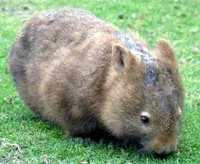
    Wombat grazing.

    Mighty Wombats

    • Powerhouse Diggers: Whilst not strictly Sydney wildlife, wombats are found within a few hours from the city. The wombat is famously known as one of the world’s best and largest digging animals.
    • Deceptively Fast: This awkward-looking quadruped can attain incredible speeds of up to 40 km/h for short sprints.
    • Unique Protection: They have a backward-opening pouch to ensure their in-pouch offspring remain free of dirt and flying debris while they dig.
    • Defense Tactics: They produce completely cube-shaped poop, and when threatened, they will run into their burrow, blocking the entrance with their tough, tendon-toughened backside.
    • Our Tours: The best way to see wild wombats is to join one of our Walking with Wild Wombats Tours. This is another of our iconic wildlife tours.
    Dragon on a rock.

    Native Dragons

    • Two Unique Species: Dragons are types of lizards that are synonymous with Sydney wildlife. Two types of dragons are a common part of Sydney wildlife: namely, the Eastern Water Dragon and the Eastern Bearded Dragon. They grow to about 20 or 25 cm long.
    • Different Terrains: They occupy different terrains and as such do not normally live in close proximity. Consequentially, the water dragons live near the water, often near the ocean, whereas the bearded dragons usually live in forested areas. They are quite prevalent in the bush and waterside areas of certain sections of our Northern Beaches.
    • Our Tours: We often see water dragons sunning themselves in summer on our Walking with Wild Wombats Tour and Northern Beaches Tours.
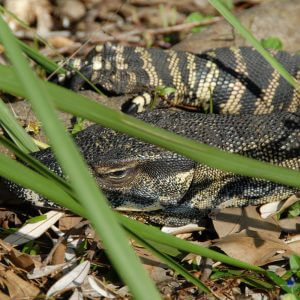
    A goanna on a Travel Ideology tour.

    Mighty Goannas

    • Lace Monitors: The Lace Monitor or tree goanna is a member of the monitor lizard family native to eastern Australia. A large lizard, it reaches 2 metres in total length and 14 kilograms in weight.
    • Wild Traits: They are commonly found in our city’s national parks. They are a good-tasting traditional food eaten by Aboriginal people. Whilst not normally aggressive towards humans, the lizards have a mild venom they can inject if they bite (previously, scientists believed this reaction was just a bacterial infection).
    • Our Tours: They are occasionally found in Ku-ring-gai Chase National Park on our Northern Beaches Tours.
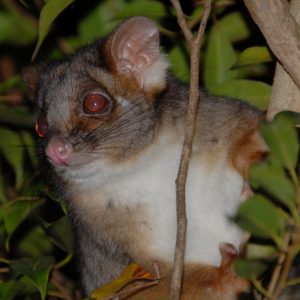
    Sydney possum in a tree.

    Charming Possums

    • Differentiating the Species: Ring-Tailed and Brush-Tailed possums are both common throughout our beautiful Sydney wildlife. The two are easily differentiated, as the ring-tailed possum rolls its thin tail to hold onto a branch (prehensile tail) whilst the brush-tailed has a brushy, fluffy tail.
    • Local Favourites: They are most active from around September to March, and we even find them in quite highly urbanised areas. Moreover, our cute possums are nothing like their sometimes ugly counterparts found in the USA. They often make their homes in the roofs of suburban houses. We can organise special custom tours to find these beautiful creatures.
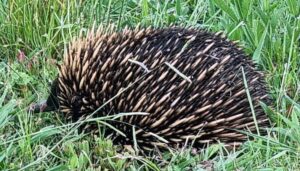
    Echidna hiding in the grass.

    Cryptic Echidnas

    • Living Wonders: Echidnas, also known as spiny anteaters, are one of two mammals that actually lay eggs (the other being the platypus). There are two varieties, with the short-beaked echidnas found here.
    • Natural Armour: They protect themselves with spines on their backs (like a hedgehog or porcupine) and can curl into a ball when threatened, camouflaging themselves quite well. Thus, this unique part of our city’s wildlife is very difficult to spot, but they do live in bushy areas not far from the city.
    • Bizarre Biology: The male echidna is well endowed with a unique 4-headed penis. We sometimes spot these toothless, spiky creatures on our Walking with Wild Wombats Tour that runs from Sydney.
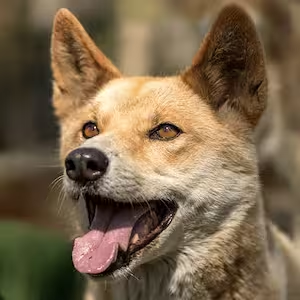
    Dingo in the bush.

    Wild Dingoes

    • Native Apex Predators: Dingoes are the native dogs of Australia. These wild dogs arrived on the continent over 4,000 years ago from Asia. They have successfully adapted to diverse ecosystems, ranging from dry deserts to dense forests.
    • Distinct Appearance: Their distinctive yellow-ginger coat, pointed ears, and bushy tail contribute to their charismatic appearance.
    • Intelligent Behavior: Dingoes are highly intelligent and exhibit complex social structures, displaying advanced cooperative hunting and communication skills within their packs. Rather than standard barking, their vocalisations range from melodic howls to sharp yips.
    • Tour Restrictions: We do not allow young children or people with walking disabilities on our dingo tours.
    • Our Tours: While they are not part of our regularly scheduled Sydney Wildlife tours, we can easily run specialized, custom tours to see dingoes.
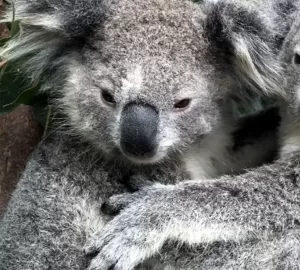
    Koala spotted at Featherdale Wildlife Park

    Elusive Koalas

    • The Ultimate Icons: Koalas are one of the core icons of Australia and an important part of Sydney’s wildlife profile. While people universally perceive them as cute and cuddly, they are usually extremely difficult to find in the wild.
    • Hidden Lifestyle: They live high in the tree tops, blending seamlessly with the branches they sit in. Appearing as a small grey ball that is almost impossible to perceive, they generally rest completely motionless and sleep for up to 22 hours a day.
    • Surviving the Bush: At birth, joey koalas eat their mother’s pap (a specialized type of droppings) to introduce the gut bacteria necessary to digest otherwise toxic eucalypt leaves. In the case of a bushfire, their natural instinct is to climb higher up the tree.
    • A Busy Two Hours: Sleeping 22 hours a day leaves them with just 2 hours a day to eat and do everything else. Since they also have the highest incidence of chlamydia in the natural kingdom, we often wonder what they get up to in those other two hours—and it certainly isn’t just eating poisonous leaves!
    • Our Tours: At this point in time, we do not run standard public tours to find koalas.
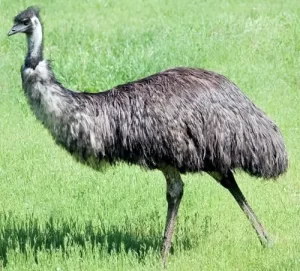
    Emu in the grass

    Curious Emus

    • Giants of the Plains: This is another animal that is no longer strictly a local Sydney resident, but they are found thriving just a couple of hours outside the city. The world’s second-largest bird is a fascinating icon of Australian wildlife.
    • Speed and Biology: While the emu biologically cannot walk backwards, it can sprint at lightning speeds up to 50 km/h and lays massive dark green eggs. It turns out Dr. Seuss’s “Green Eggs and Ham” is not that far from true emu reality!
    • Our Tours: We can happily arrange specialized, custom Sydney Wildlife tours to find wild emus if desired.
    Pelicans having a chat.

    Majestic Pelicans

    • Coastal Giants: Australian pelicans are an iconic part of our regional wildlife, living throughout the beach and coastal areas of New South Wales. They are beautiful, majestic, large black-and-white birds.
    • Enormous Beaks: Although they mainly eat fish, they are known to pick up small dogs, such as Chihuahuas, in their massive beaks! The Australian pelican grows to about 40 or 50 cm long, features a wingspan of about 2.5 metres, and a beak pouch that can hold up to 13 litres of fluid. Once it catches fish, it will flush all the water from its beak before digesting the food.
    • Our Tours: The best way to see our Australian pelicans is to book one of our Sydney Parrots and other Native Birds Tours. We also frequently encounter them on our Northern Beaches Tours, Walking with Wild Wombats Tours, and Parrots Tours.
    Kookaburra spotted.

    Laughing Kookaburras

    • Famous Bush Calls: Kookaburras are terrestrial members of the kingfisher family that grow up to 42 cm in length and weigh around 300g. The name is an Aboriginal word representing the distinct sound of its call, which sounds exactly like a human laugh. Don’t worry—they are not laughing at you! Instead, it is a vocal signal used to establish their family territory.
    • Where They Live: They live throughout our city, mainly in forested, arid, and suburban areas with tall trees or near running water. They are synonymous with Sydney wildlife and the classic song “Kookaburra sits in the old gum tree.”
    • Our Tours: We often see kookaburras on many of our wildlife itineraries, and we spot them normally on our dedicated Parrots tours.
    Vibrant parrot

    Vibrant Parrots

    Sydney wildlife boasts an incredible 5% of the world’s entire parrot species, making them a colourful and essential part of our city’s natural identity. Seeing wild parrots on one of our Sydney wildlife tours is an experience not to be missed.

    • Sulphur-Crested Cockatoos: A large, highly intelligent white cockatoo. It raises its bright yellow crest when feeling threatened or to intimidate others. They prefer to live in tall trees, often feed on the ground, and can destroy cedar fences quite quickly if left to their own devices. They are abundant throughout many of our suburbs, and the best way to see them is to join one of our Parrots tours.
    • King Parrots: Male Australian King-Parrots are famously the only Australian parrots with a completely red head. Females look identical except for a fully green head and breast. All Australian king parrots sport a vibrant red belly, a green back, green wings, and a long green tail.
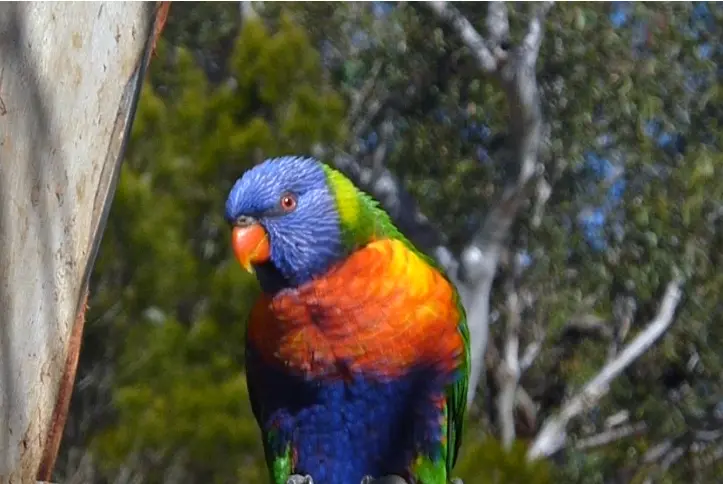
    • Rainbow Lorikeets: The beautiful rainbow lorikeet is incredibly common throughout our city and feeds mainly on nectar, pollen, and fresh fruit. They brighten up any day, and over time, they can learn to accept food from human beings, becoming quite docile and friendly. We often spot them high up in the trees on our Parrots tours.
    • Other Common Parrots: Our city is also home to the Corella, Rosella, and Galah—the latter named after its playful, goofy antics. Two types of corellas live in Sydney: the little corella and the long-billed corella, which we see on our Parrots tours. Crimson and eastern rosellas are prevalent in our suburbs but can be trickier to spot. Finally, we normally find galahs, easily recognized by their distinct grey and pink coats.
    Lyrebird in the bush.

    Master Mimic Lyrebirds

    • The Ultimate Showmen: Lyrebirds are named after the male bird’s beautiful, fine, lace-looking tail that resembles a musical lyre. During mating displays, he fans this spectacular tail out completely over his head to attract a mate. The female lyrebird’s tail features normal, dull feathers rather than the ornate layout of the male.
    • Rainforest Foragers: We normally find these beautiful birds on the rainforest floor, scratching through the leaf litter for food like spiders, worms, insects, and occasionally fallen seeds.
    • Incredible Sound Mimics: They are the world’s most excellent vocal mimics. They are famous for copying other birds, but also human sounds like chainsaws and camera shutters. In 2022, a lyrebird at Sydney’s Taronga Zoo was filmed perfectly mimicking the emergency evacuation siren just two weeks after the real siren had been activated when a pride of lions briefly escaped!
    • Our Tours: We often see them on our Walking with Wild Wombats Tour. They are easiest to find around July and August when they are actively mating, though nature offers no guarantees.
    Whale season.

    Majestic Whales and Dolphins

    • The Ocean Migration: Whales and dolphins are two major parts of Sydney’s marine wildlife system. Whales (mainly humpbacks) migrate directly off our coast from mid-June to July, and again from September to mid-November, during which time specialized whale cruises operate.
    • Coastal Giants: Humpback whales form the vast majority of the whales that migrate past our beachside suburbs. A number of spectacular Northern Beaches vantage points offer excellent whale viewing opportunities with the aid of strong binoculars.
    • Our Tours: With a bit of luck, we often spot these magnificent nautical mammals on our Northern Beaches Tours, making up yet another tier of our city’s amazing wildlife.

    Customisable Sydney Wildlife Tours: Built Around You

    Travel Ideology’s Sydney Wildlife Tours complete your vacation by allowing you to see Sydney’s amazing wildlife on your own terms. We organise premier Sydney wildlife tours to see these amazing Australian animals, featuring convenient pick-up directly from your Sydney hotel.

    Our tours can take you on custom wildlife tours to incredible wilderness destinations ranging from the Hunter Valley to the Southern Highlands, out to the Jenolan Caves, and anywhere in between.

    We proudly organise both full-day tours and part-day tours to view our unique Australian fauna. Our “in the wild” approach will get you closer to wild animals in their natural habitats than you ever thought possible. We get you close to iconic Australian animals such as kangaroos, wallabies, wombats, lyrebirds, pelicans, flying foxes, goannas, water dragons, parrots, and many more.

    Want a completely unique experience? If none of our standard scheduled private wildlife tours match the specific native animals you want to see in the wild, please contact us today. We can easily customise and build any of our Sydney tours to match your exact specifications!

    Our most popular wildlife tours include:

    Walking with Wild Kangaroos Tour

    Walking with Wild Wombats Tour

    Urban Kangaroos Tour

    Parrots Tour

    Walking with Flying Foxes Tour

    Australia’s Best Wildlife Tours

    aussie culture

    Australian Culture

    Australian culture – What defines Australia and Australians?

    So what is Australian culture? Whilst we should not generalise and stereotype, Australian culture more than many other cultures revolves around the outdoors and in particular the water. It is a relaxed, informal culture. Barbecues, surf lifesaving, the Sydney Harbour Bridge, Sydney Opera House and weird animals are all earmarks of the country/continent known as Australia.

    In Australian culture, being Australian means being part of a multicultural society where we accept those of all backgrounds, ethnicities, religions and beliefs. We all look different but are drawn together by common beliefs or values. We do not all dress like Crocodile Dundee nor Steve Irwin nor do we wear cork hats (an English fallacy). Moreover, we do wear bikinis, board shorts and Speedos at the beach. We are the spirit of the Anzacs, the hardy soldiers who fought resiliently in World War II.

    You will quickly find that we shorten words and add an “o” to the end. We enjoy barbecues but never with shrimps. We may play backyard cricket using a wheelie bin as the stumps or picnic with a cask of wine. You will find that we sometimes walk barefoot in the supermarket, especially in areas near the beaches away from the city centre. We squeeze Vegemite through Saos. We have a easy-going “She’ll be right” attitude. Rather than being earmarks of a lack of education or culture, Australians on average are highly educated, these cultural norms are marks of our relaxed way of life.

    Geography and Population

    The country fills the space south of Asia, north of Antarctica, west of South America and east of Africa. The climates range from unbearably hot deserts to snow capped mountains (in winter). With a population of about 25 million it is the sixth largest country in the world. This means it is about the same size as mainland USA without Alaska and Hawaii or about 80% of the whole of Europe. These figures also means that it is one of the sparsest countries in the world.    

    Australian culture is a rich mix of people from all around the world. Almost 30% of the population were born overseas. The largest numbers of immigrants come from United Kingdom, New Zealand, China, Italy, and Vietnam. Also, the second largest Greek population in the world is in Melbourne (after Athens). The population is made up of 90% Caucasians, 7% Asian 7%, aboriginal and other 3%.

    The original immigrants to what is now Australia, the aboriginals came by land bridge from India 50,000 years ago. They generally lived a nomadic lifestyle and were hunter gatherers. There was very little documented history from this time. From 1788, the Australian immigrant population was almost entirely from England and Ireland until after world war II. After the second world war, the government boosted the workforce predominantly from Southern Europe, especially Yugoslavia, Greece and Italy. In the 1950s, immigrants came from Northern Europe, in the 1960s they came from Southern Europe and in the 1970s from Vietnam (due to the Vietnam war). Since the early 1980s, Australia has opened its borders and we have immigrants in large numbers from all throughout Asia and the world.

    Languages

    English is the official language of Australia. However, at times, especially in smaller rural communities where locals may have both strong accents and use more Aussie slang, it may be difficult for foreigners to understand as the accent is neither American nor English, which is what most foreigners learn when they study English. There is also a government funded movement to try and preserve the 20 or so surviving aboriginal languages. These are normally only spoken in more remote and isolated areas.

    In terms of foreign languages, because of Australia’s high immigrant population, many people, especially in Sydney and Melbourne can speak a foreign language. There are suburbs in these cities where you can speak Mandarin, Cantonese, Vietnamese, Italian, Greek, Arabic and Punjabi. In 2016, the census found that over 20% of the population speak a language other than English at home.

    Religion

    Australian culture is free from religious constraints. People are free to practice whatever religion they wish or to not practice a religion. The following are dominant religions: Protestant 23%, Roman Catholic 22%, other Christian 24%, Muslim 3%, Buddhist 2%. Many people are atheist or agnostic or practice other religions. In Australia more than 70,000 people (0.37%) declared themselves members of the Jedi order in the 2001 census. Australian culture means accepting people of all religions including non religions. It also means keeping religion and governance separated.

    Government

    The government and law originates from British law and even though it is democratic and self governing recognises the British monarch as head of state. Government is over three levels: National, state and local. We even drive on the left hand side of the road and walk on the left side of the footpath. In Australia, the government provides both primary and secondary education and it is compulsory. Medicare is also provided by the government and provides a safety net for most essential medical expenses. Unfortunately, as a result, Australia also has one of the highest rates of taxation in the world.

    Whilst it is true that much of Australia’s history was created by the British, we are by no means British. The warmer climate and mix of ethnicities has very mush influenced the Australian culture. As a result we have left the stiff upper lip for a more relaxed lifestyle.

    Sport

    Australians (in general) like to play/watch sport. They have the second largest number of Olympic Swimming gold medals (after USA). The country punches above its weight by population averaging 14th place over all Summer Olympic Games.

    Whilst there is a small snow covered mountain area in Australia, less than 4% of the population live within 4.5 hours of the ski fields. So winter sports are not as popular in Australia as our cooler cousins. That being said, the country has still managed to amass 18 Olympic medals in Winter Olympics.

    The country is also obsessed with cricket and football. In Australia, football means Rugby Union, Rugby League or Australian Rules Football but generally nor soccer, although there is a tendency to change that as well.

    The country also stops for the Melbourne Cup, a horse race run in November each year.

    Australian Culture with regard to Values

    Modesty and Sincerity

    Authenticity and Humility are earmarks of Australian culture. Australians are “down to earth” and neither put people on a pedestal nor step on them. They do not think that they are better than other people nor that other people are better than them. Everyone from the prime minister down is on equal footing. Building trust is important in Australian society. Insincerity will quickly lose you respect and make it very difficult to build relationships in Australia. People who are pretentious will find it difficult to fit in.

    Sense of humour

    Australians have a warm, self deprecating sense of humour and enjoy good banter and sarcasm. It helps to build relationships.  If you’re from a culture such as China or Japan, where ‘face’ is strongly valued, then you will need to understand and not take offence.

    Many Australian movies and television shows convey this sense of humor Some of the best examples on the screen include the Paul Hogan Show and Barry Humphries characters of the 1970s to films such as The Castle, Crocodile Dundee and hard hitting mock-umentary – The Chaser’s War on Everything.

    Australian Mateship and Egalitarianism

    Australians highly value friendships. They often turn to their ‘mates’ (friends), instead of family in times of need. Relationships tend to emphasise equality regardless of wealth, gender or background.  Australians see relationships based on wealth as superficial, a quality that is against the culture. Instead, Australians prefer to seek relationships with authentic, down to earth and easy going people.

    People do not regard others as better or worse solely because of their station in life. They are neither put on a pedestal nor stomped on. This is un-Australian behaviour. Those who abuse their power are cut down quickly in what is referred to as tall poppy syndrome. Likewise, there is support for the underdog.

    When ex-prime minister Bob Hawke retired from parliament he signed books at bookshops. Ex-prime minister Tony Abbott was often in just his Speeedos (swimming costumes) when being filmed for interviews.

    Australia’s early poet/Songwriters Henry Lawson and Banjo Paterson did much to instill this concept of mateship and egalitarianism in their ballads.

    Fairness

    Fairness or ‘a fair go’ is an underlying value of Australians and Australian culture. In building relationships with Australians, it is important to ask is that fair? Otherwise, you may trade off a once off gain for a longer term relationship. Australia is too small to go for the once off gain as you will probably need to deal with the same people or business again.

    Relaxed Attitude

    Australian culture tends to value a relaxed attitude that places importance on work-life balance and place an emphasis on keeping unstressed. The terms ‘work hard play hard’ and ‘she’ll be right’ are synonymous with Australian values. Australians tend to place a high emphasis on being able to wind down (holidays, sport, etc) and carry a positive attitude towards life with a don’t worry about things that are not likely to happen attitude. You will find Australians sporting both ‘thongs’ (known elsewhere as flip flops, slip slops, jandals, etc) and ugg boots (comfortable sheepskin boots that originated in Australia. When 85% of the population live within 50 kilometres of a beach and Australia has some of the best beaches in the world it is not hard to understand why.

    Punctuality

    Arrive on time. If you are going to arrive more than 15 minutes late, ensure that you let the host know. Also, don’t put people out by arriving too early. Consideration of other people is essential in Australian culture.

    Mythical Creatures

    Whereas other countries may have stories about dragons, yetis, bigfoot, etc, in Australia we have Yowies and Drop Bears. A yowie has the Australian vernacular from Aboriginal folklore. The yowie is usually described as a two to three metre high hairy apelike creature.

    The drop bear is a hoax featuring a predatory, carnivorous version of the koala. This imaginary animal is commonly spoken about in tall tales designed to scare tourists. This sort of larrikin prank is also a part of our Australian culture.

    Australian Culture and Etiquette

    Australian culture is quite informal. As such when greeting someone, normally a smile, a handshake and a simple ‘hello, how are you’ or ‘G’day’ is normal. If introducing yourself, use your first name.

    As Australian culture is fairly tactile, close friends may kiss each other on the cheek, hug or tap the shoulder or back of each other.

    If invited to somebody’s house, for a meal, it is polite to bring a box of chocolates, bottle of wine or flowers. It is important that gifts are not too expensive as that would be imposing a burden on your host should you then invite them to your place and may be perceived as flaunting your wealth. Gifts of money are never appropriate. If you receive a gift, it is polite to open on receipt. If you’re invited to dinner, check the dress code beforehand to avoid being over- or under-dressed. Never give a gift that still has a price or a receipt with it as this is considered in bad taste.

    If invited to a barbecue guests often expected to bring their own meat and alcohol and possibly a plate (of food) to share. Dress code for BBQs is normally relaxed and casual.

    The bills for restaurant meals are split between the diners normally. As such, expect to pay for your portion of the bill at the end of the meal. This is normal in Australian culture.

    If you’re invited for a drink at a bar, Australians take turns buying ’rounds’. This means people take turns asking everyone what they want to drink and then go buy them at the bar. It is important that you take your turn otherwise you will lose the respect of the Australians.

    Some important but small parts of Australian Culture

    Small Talk with Taxi Drivers

    If catching a taxi alone, you should sit upfront with the driver and have a conversation. Not to do so is considered rude. This is a part of Australian culture. It comes back to the philosophy that nobody is above or beneath you.

    Bunnings Sausage Sizzle

    Bunnings is a very large Australian hardware store chain. Every weekend they support local organisations including the fire rescue, scouts, local schools, etc by allowing them to sell sausage sizzles (sausages in bread). Whilst it encourages people to come to their stores, it also helps the organisations and is welcomed by all.

    Meat Pies at the Football

    Just like American culture is synonymous with hot dogs at the baseball, Australian culture has meat pies at the football (footy).

    Two-up on Anzac Day

    Two-up is a legalised form of gambling. It was popularised by the Diggers in World War I and involves tossing two coins into the air and gambling on how they might fall. On Anzac Day it is an integral part of Australian culture, is generally legal and you will find it offered in many pubs around the country.

    Tipping is Optional

    In Australian culture, tips are only ever given for exceptional service. A tip is always optional. Unlike other countries, the price you pay is what has been agreed upon at the beginning and should include all taxes and gratuities. In the case that someone has provided exceptional service, you may show your appreciation by providing a tip at your discretion. However, they are only used to reward exceptional service.

    Other Links

    The following links may also interest you:

    Australian Food

    Australian Film

    Actors (Australian)

    Television (Australian)

    Musicians (Australian)

    Australian Slang

    Sydney Wildlife

    Sydney Events
    australian festivals

    Sydney Festivals and Events
    There are many Sydney Festivals worthy of a visit. No stay in our city is complete without taking part in some of the major events that happen in the city.

    Australia Day

    Australia celebrates Australia Day on January 26 every year with a packed harbour and ferry races. Beaches around our city are full of swimmers, surfers and sunbathers. Parks fill with people barbecuing and picnicking. Backyard parties abound often around a barbeque and people celebrate. It is the Sydney event that celebrates Australia for all Australians.

    Chinese New Year

    Due to our city’s large Chinese population, Chinese New Year is now one of the most popular outside of China. Within the greater city limits there are about 6 suburbs where one can visit and just speak Chinese. Thus, dragon boat races, lion dances, Chinese lanterns, statues of the Chinese zodiac all come alive during this event. Whilst the main celebrations focus around China Town in the city’s centre they are also in many other non-Chinese related areas such as Darling Harbour and Circular Quay.

    Sydney Gay and Lesbian Festival

    The Gay and Lesbian Festival closes down the city for a day every February. Gender confusion abounds in this very colourful festival. Moreover, people come from around the world to experience it. The festival completely takes over Oxford St and as it finishes, takes over the whole city.

    Royal Easter Show

    The Royal Easter show started out as an agricultural show. Whilst it is still an agricultural show, it is much much more. The show has rides to thrill any age group, shows that include motorcycle and car trick driving and of course fireworks. Retail brand names show off their wares and kids queue up to buy their favourite showbags. It is indeed a centrepiece show of our city. It is the largest of the Sydney festivals for the year.

    Anzac Day

    In April, the country celebrates Anzac Day to commemorate the contribution that the ANZACs made to the country. It is celebrated with street parades and by playing “Two Up”. Two up is a gambling game whereby people bet on heads or tails, once played on the fields of battle. Moreover, it is legal for this one day of the year and can be seen in certain pubs and clubs around the country.

    Australian Fashion Week

    Fashion Week is a week where retail buyers come to buy forthcoming spring/summer collections directly from designers and manufacturers. It is an opportunity for new and upcoming designers to get noticed. It is a big event and draws in people from all around the world.

    Vivid

    Vivid is an annual celebration of light and music that takes place in May. It includes large sometimes interactive outdoor light installations and projections, musical performances. Furthermore, it offers creativity, innovation and technology, transforming the city for 23 days and nights. It melds art, innovation and technology in collaboration with boundary-pushing artists, thinkers and musicians to bring together a wonderful display of light and music. It is fast becoming one of the more attended of the Sydney festivals.

    Cherry Blossom Festival

    In August every year, Cherry Blossom Festival brings to life the Auburn Botanical Gardens with beautiful hues of white, pink and red. The gardens, apart from the Cherry Blossom trees, the Japanese food and Japanese shows, have a small section of Australian animals.

    Manly Jazz Festival

    The Manly Jazz Festival takes over Manly for the October long weekend each year. It is Australia’s longest running jazz festival. Jazz performers come from far and wide to perform at various temporary stages and on the street. The atmosphere comes alive with jazz music in every corner.

    Sculptures by the Sea

    Sculptures by the Sea is an event to showcase sculptures that are displayed outdoors between Coogee and Bondi Beach every October. Sculpture by the Sea is an annual event at the Bondi to Tamarama Beach coastal walk. It is the world’s largest free to the public sculpture exhibition. The spectacular coastal walk is transformed into a 2km long sculpture park over three weeks featuring 100 sculptures by artists from Australia and across the world.

    Sydney to Hobart Yacht Race

    Every December, our harbour comes alive as the annual Sydney to Hobart yacht race takes place. In rough weather, boats and lives are lost. However, this is what also makes for race celebrations. It is a difficult race and under bad weather, a number of boats and lives are often lost. A regatta of small boats swarm the harbour to see off our adventurer sailors and wish them well on this difficult race.

    NYE Fireworks

    With fireworks that rival those in every major city in the world, our city’s show is a world class event. People fill every conceivable part of the shoreline and boats fill the harbour to experience this once a year event. Space around the shoreline is at a premium and people come to claim their small area of turf sometimes a day or more in advance.

    Other Australian Festivals and Events not in Sydney
    • Australian Tennis Open
    • Elvis Festival
    • Summernats
    • Tamworth Country Music Festival
    • Adelaide Fringe Festival
    • Australian Grand Prix
    • Byron Bay Bluesfest
    • Melbourne Food and Wine Festival
    • Moomba Festival March
    • Melbourne Comedy Festival
    • Rip Curl Pro Surfing
    • Lions International Camel Cup
    • Darwin Beer Can Regatta
    • Henly-On-Todd Regatta
    • Birdsville Races
    • Melbourne Cup
    • Floriade

    Other Links

    You may also be interested in the following links:

    Australian Food

    Australian Film

    Actors (Australian)

    Television (Australian)

    Musicians (Australian)

    Australian Slang

    Our Wildlife Tours

    australian tv

    Australian TV Shows

    Australia’s first successful TV Show

    One of the most successful Australian TV shows is about a boy and his friend Skippy, the bush kangaroo from the 1960s. This is no longer a big export. However, people worldwide still love the kangaroo as an iconic Australian animal. Come and see them in the wild with our Sydney Tours – Walking with Wild Kangaroos.

    Successful TV Show Exports

    Our TV productions offer a great variety of television. Australia exports TV shows exhibiting our beaches and culture. Others are quiz shows, medical and prison soaps and a whole lot more. We export TV shows all around the world to scores of countries and even more countries syndicate our formats. Seven’s Aussie dramas “Home and Away”, “A Place to Call Home”, “Packed to the Rafters”, “All Saints”, “Always Greener” and “City Homicide” are popular exports. They have been exported to and show in more than 150 countries. Nine’s “McLeod’s Daughters” airs in 190 international territories.

    When it comes to our soaps, Neighbours sells to nearly 100 territories and has millions of spectators across the world. It’s has been airing in the UK for over 30 years! Home And Away is also a big hit in the UK, having been broadcast since 1989 and is currently airing in 137 countries worldwide.

    Overseas Streaming

    A number of our series are also available on various overseas streaming services. These include ClevermanWentworthMiss Fisher’s MurdersLittle LunchRakeUtopiaThe CodeGlitchRosehavenKath & KimNeighboursWonderlandReal Housewives of MelbourneOffspringThe StraitsPacked to the Rafters and All Saints.

    Australian TV Shows International Rankings

    Traditionally, in terms of TV exports, the US and the UK remain dominant players in the European TV market, followed by the Netherlands and France. Australia in 2016, however, replaced Germany as the country with the fifth highest number of TV exports.

    Many of our TV shows have been dubbed and others have just used the format. The drama, Celblok H, is a Dutch version of Wentworth and is one of the highest rating shows in the Netherlands. A German version of Wentworth has also been made titled Block B: Unter Arrest.

    TV show production in Australia reached a record high of $A334 million spent and included 37 titles that generated 441 hours of content. 15 children’s TV shows commenced production in 2018/19, worth $A105 million generated a high of 132 hours of content.

    Our Export Successes

    The following is a list of modern TV shows that we export around the world. In some instances we export the format and the countries use their own contestants, in others it is subtitled or dubbed.

    A Place to Call Home
    All Saints
    Always Greener
    Anh Does
    Animal Rescue
    Blue Water High
    Border Security
    City Homicide
    Farscape
    Home and Away
    House Rules
    Lockie Leonard
    McLeod’s Daughters
    Medical Emergency
    Million Dollar Minute
    Miss Fisher’s Murders
    My France with Manu
    My Kitchen Rules
    My Restaurant Rules
    Nowhere Boys
    Packed to the Rafters
    Rake
    Round the Twist
    Skippy, The Bush Kangaroo
    The Block
    The Code
    The Doctor Blake Mysteries
    The Force
    The Slap
    Top of the Lake
    Wentworth Prison

    Other Links

    You may also be interested in the following links:

    Aussie Food

    Australian Film

    Famous Aussie Actors

    Musicians (Aussie)

    Aussie Slang

    Sydney Wildlife

    Australian Slang

    380 Word Australian Slang Dictionary

    Australia’s Most Comprehensive Slang Dictionary

    We have compiled Australia’s best and most comprehensive Australian Slang dictionary to help you learn. Don’t be alarmed as most people do not speak using Australian slang most of the time. Instead they use standard English with an accent that most foreigners are not accustomed to. In more rural areas the accent can be more of a drawl. Occasionally, though, you may hear a word or two of Australian slang.

    Some slang is commonplace and some is not

    Some Australian slang is common place. You will probably hear words like Esky, thongs, G’Day whilst here. Other terms you may only hear in certain areas or in certain company.

    However, there are some things that may come as a surprise should you hear them. In Australian slang, you wear thongs on your feet not your derriere. You wear a sloppy joe not eat it. …and Maccas is what we call McDonalds. Also, if you hear someone say that they’re buggered… no they have not just had sex with your dog! They are just tired.

    The Great Australian Shortening

    A couple of things to note about Aussie slang. One, we often shorten the words and add a vowel and we have our own diminutive form that uses a ‘y’ or ‘ie’ at the end of the word.

    Australian Slang – More friendly version of the word

    Many words in Aussie slang end in a ‘o’. It is quite common to hear words like ambo (ambulance driver), relo (relative), servo (service station), muso (musician), preggo (pregnant), rego (car registration), arvo (afternoon), avo (avocado) and agro (aggressive) in everyday conversation. It shortens the word and makes it more friendly. We also shorten McDonalds (as in the hamburger chain) to Macca’s.

    Australian Slang – Diminutive

    The diminutive in Aussie Slang is simply formed by shortening the word (where possible) and adding a ‘y’ or ‘ie’ sound. You will often hear words such as barbie (barbeque), bikkie (biscuit, cookie), brekkie (breakfast), cossie (swimming costume), Chrissie (Christmas), exy (expensive), footy (football), lippy (lipstick), lolly (candy – comes from lollipop), mozzie (mosquito), mushie (mushroom), prezzy (present), sunnies (sunglasses) and uggies (ugg boots) in normal conversation. Selfie is an Australian term that has come from following this rule.

    The Comprehensive 380 Word Australian Slang Dictionary

    [A][B][C][D][E][F][G][H][I][J][K][L][M][N][O][P][Q][R][S][T][U][V][W][Y]

    A

    A Cold One = beer
    Ace! = excellent! very good!
    Aerial pingpong = Australian Rules football
    Amber fluid = beer
    Ambo = ambulance, ambulance driver
    Ankle biter = small child
    Apples, she’ll be = It’ll be all right
    Arvo = afternoon
    Aussie = Australian
    Aussie Salute = wave to scare off the flies
    Avo = avocado

    B

    B & S = Bachelors’ and Spinsters’ Ball
    Back of Bourke = a very long way away
    Bail (somebody) up = to corner somebody physically
    Bail out = depart, usually angrily
    Bail = to not turn up or to go early – normally without warning
    Banana bender = a person from Queensland
    Barbie = barbecue
    Barrack = to cheer on (football team etc.)
    Bastard = term of endearment
    Bathers = swimming costume
    Battler = someone working hard and only just making a living
    Beaut, beauty = great, fantastic
    Big Smoke = a big city, especially Sydney or Melbourne
    Big-note oneself = brag, boast
    Bikkie = biscuit (also “it cost big bikkies” = it was expensive), cost big bikkies = expensive
    Billabong = a pond in a dry riverbed
    Billy = metal container for boiling water.
    Bingle = motor vehicle accident
    Bities = biting insects
    Bitzer = mongrel dog (bits of this and bits of that)
    Black Stump, beyond the = a long way away, the back of nowhere
    Bloke = man, guy
    Bloody = very 
    Bloody oath = yes or its true
    Blow in the bag = have a breathalyser test
    Blowie = blow fly
    Bludger = lazy person, layabout
    Blue = a fight
    Blue, make a = make a mistake
    Bluey = blue cattle dog 
    Bluey = bluebottle jellyfish
    Bodgy = of inferior quality
    Bog in = commence eating, to attack food with enthusiasm
    Bogan = person who takes little pride in his appearance, spends his days slacking and drinking beer
    Bogged = stuck in mud, deep sand (a vehicle).
    Bonzer = great, ripper
    Boogie board = a hybrid, half-sized surf board
    Boomer = a large male kangaroo
    Booze bus = police vehicle used to catch drunk drivers
    Boozer = a pub
    Bored shitless = very bored
    Bottle shop = liquor shop
    Bottlo = bottle Shop,  a place to buy alcohol
    Bottler = something excellent
    Brass razoo, he hasn’t got a = he’s very poor
    Brekkie or brekky = breakfast
    Brick shit house, built like a = big strong bloke
    Brickie = bricklayer
    Brizzie = Brisbane, state capital of Queensland
    Brolly = Umbrella
    Brumby = a wild horse
    Buckleys Chance = little chance (see this)
    Buck’s night = stag party, male gathering the night before the wedding
    Budgie Smugglers = Speedos
    Bugger me = expression of shock
    Buggered = exhausted
    Bugger off = go away
    Bull bar = strong bar fixed to the front of a vehicle to protect it against hitting kangaroos (also roo bar)
    Bull dust = a lie
    Bundy = short for Bundaberg, Queensland, and the brand of rum that’s made there
    Bunyip = mythical outback creature
    Burl, Give it a = Go or try as in give it a go or try.
    Bush = anywhere that isn’t in town
    Bush bash = long competitive running or motorcar race through the bush
    Bush telly = campfire
    Bushie = someone who lives in the Bush
    Bushranger = highwayman, outlaw
    BYO = unlicensed restaurant where you have to Bring Your Own grog, also similar party or barbecue

    C

    Cabbie = taxi driver
    Cab Sav = Cabernet Sauvignon (a variety of wine grape)
    Cactus = dead, broken
    Cake hole = mouth
    Cark it = to die, cease functioning
    Chewie = chewing gum
    Choc A Bloc = full
    Choccy Biccy = chocolate biscuit
    Chokkie = chocolate
    Chook = chicken
    Chrissie = Christmas
    Chuck a sickie = take the day off sick from work when you’re perfectly healthy
    Chunder = vomit
    Ciggy = a cigarette
    Clayton’s = fake, substitute
    Cleanskin = bottle of wine without a label.
    Click = kilometre
    Clucky = feeling broody or maternal
    Coathanger = Sydney Harbour bridge
    Cobber = friend
    Cockie = cockatoo
    Cockie = cockroach
    Coldie = a cold beer
    Compo = Workers’ Compensation pay
    Cooee, within = nearby – I was within cooee of it.
    Coppers = policemen
    Corroboree = an aboriginal dance festival
    Counter lunch/Countery = pub lunch
    Cozzie = swimming costume
    Crack onto (someone) = to hit on someone, pursue someone romantically
    Crack the shits = getting angry at someone or something
    Cranky = in a bad mood, angry
    Cream (verb) = defeat by a large margin
    Crikey = an expression of surprise
    Crook = sick, or badly made
    Cubby house = small, usually timber, shed in the garden used as a children’s plaything.
    Cuppa = cup of tea or coffee
    Cut lunch = sandwiches

    D

    Dag = Someone who’s a bit of a nerd or geek.
    Daks = trousers or pants
    Damper = bread made from flour and water
    Date = arse[hole] (“get off your fat date”)
    Dead dingo’s donger, as dry as a = dry
    Deadset = true, the truth
    Dero = tramp, hobo, homeless person (from “derelict”)
    Digger = a soldier
    Dill = an idiot
    Dinkum, fair dinkum = true, real, genuine
    Dinky-di = the real thing, genuine
    Dipstick = a loser, idiot
    Dob (somebody) in = inform on somebody
    Docket = a bill, receipt
    Doco = documentary
    Dodgy = suspicious
    Dog’s balls, stands out like = obvious
    Dog’s breakfast = mess
    Dole bludger = somebody on social assistance when unjustified
    Donger = penis
    Doodle = penis
    Doovalacky = used whenever you can’t remember what to call something. Thingummyjig, whatsit.
    Down to Earth = genuine, sensible and not fake
    Down Under = Australia (and New Zealand)
    Drink with the flies = to drink alone
    Drongo = a dope, stupid person
    Dummy, spit the = get very upset at something
    Dunny = toilet
    Durry = cigarette

    E

    Earbashing = nagging, non-stop chatter
    Egg on = encourage
    Esky = insulated container that keeps things cold for barbecues and picnics
    Exy = expensive

    F

    Face, off one’s = completely drunk 
    Facey = Facebook
    Fair dinkum = true, genuine
    Fair go = a chance 
    Fair suck of the sav! = exclamation of wonder, awe, disbelief 
    Fairy floss = candy floss, cotton candy
    Fanny = vagina
    Feral (n.) = a hippie
    Fisho = fishmonger
    Flat out = really busy
    Flick = to give something or somebody the flick is to get rid of it or him/her
    Footy = Australian Rules football, Rugby League or Rugby Union
    Fossick = to prospect, e.g. for gold
    Fossicker = prospector, e.g. for gold
    Furphy = rumours or stories that are improbable or absurd

    G

    G’Day = Australian slang for hello
    Galah = fool, silly person. Named after the bird of the same name because of its antics
    Garbo, garbologist = municipal garbage collector
    Give it a burl = try it, have a go
    Gnarly = awesome
    Gobful, give a = to abuse verbally
    Gobsmacked = surprised, astounded
    Going off = busy, lots of people / angry person
    Good oil = useful information, a good idea, the truth
    Good onya = good for you, well done
    Greenie = environmentalist
    Grog = liquor, beer
    Gutful of piss = drunk
    Gyno = gynaecologist

    H

    Hard yakka = hard work
    Heaps = loads, lots, many
    Holy dooley! = an exclamation of surprise
    Hoon = hooligan (normally driving aggressively and badly!)
    Hooroo = goodbye
    Hotel = often just a pub

    I

    Iffy = bit risky or unreasonable

    J

    Jackaroo = a male trainee station manager or station hand
    Jillaroo = a female trainee station manager or station hand
    Joey = baby kangaroo
    Journo = journalist
    Jug = electric kettle
    Jumbuck = sheep

    K

    Kelpie = Australian sheepdog originally bred from Scottish collie
    Kero = kerosene
    Kindie = kindergarten
    Knackered = tired
    Knickers = female underwear
    Knock = to criticise
    Knock back = refusal (noun), refuse (transitive verb)
    Knocker = somebody who criticises

    L

    Larrikin = Someone who’s always up for a laugh, bit of a harmless prankster
    Legless = Someone who is really drunk
    Lend of, to have a = to take advantage of somebody’s gullibility
    Lippy = lipstick
    Lollies = sweets, candy

    M

    Maccas = McDonalds
    Manchester = household linen
    Mate = buddy, friend
    Mate’s rate, mate’s discount = cheaper than usual for a “friend”
    Metho = methylated spirits
    Middy = 285 ml beer glass in New South Wales
    Milk bar = corner shop that sells takeaway food
    Milko = milkman
    Mob = family or herd (?) of kangaroos
    Mob = group of people, not necessarily troublesome
    Mongrel = despicable person
    Moolah = money
    Mozzie = mosquito

    N

    Never Never = the Outback, centre of Australia
    Nipper = young surf lifesaver
    No drama = no problem / it’s ok
    No worries = no problem / it’s ok
    No Wucka’s = no problem / it’s ok
    No-hoper = somebody who’ll never do well
    Nuddy, in the = naked
    Nut out = hammer out or work out (an agreement, say)

    O

    O.S. = overseas (“he’s gone O.S.”)
    Ocker = an unsophisticated person
    Offsider = an assistant, helper
    Old fella = penis
    Oldies = parents – “I’ll have to ask my oldies”
    Op shop = opportunity shop, thrift store, place where second hand goods are sold.
    Outback = interior of Australia
    Oz = Australia

    P

    Pash = to kiss
    Pav = pavlova – a rich, creamy Australian dessert
    Perve (noun & verb) = looking lustfully at the opposite sex
    Piece of piss = easy task
    Pig’s arse! = statement of disagreement
    Piss = some beer
    Piss Off = go away, get lost
    Piss Up = a drinking get together
    Piss, to = to urinate
    Pissed off = annoyed
    Pissed = intoxicated, drunk
    Plate, bring a = instruction to bring a plate of food to share (on a bbq or party invite)
    Plonk = cheap wine
    Pokies = poker machines, gambling slot machines
    Polly = politician
    Pom, pommy, pommie = an Englishman
    Porky = a lie, untruth (pork pie = lie)
    Postie = postman, mailman
    Pozzy = position
    Prezzy = present, gift

    Q

    Quid, make a = earn a living
    Quid, not the full = of low IQ

    R

    Rack off = push off! get lost!
    Rage = party
    Rapt = pleased, delighted
    Ratbag = mild insult
    Raw prawn, to come the = to bullshit, to be generally disagreeable
    Reckon = for sure. ‘You Reckon?’… ‘I reckon!’
    Reffo = refugee
    Rego = vehicle registration
    Rellie or relo = family relative
    Ridgy-didge = original, genuine
    Right, she’ll be = it’ll be all right
    Ripper = great, fantastic
    Road train = big truck with many trailers
    Rock up = to turn up, to arrive 
    Rollie = a cigarette that you roll yourself
    Roo = kangaroo
    Roo bar = stout bar fixed to the front of a vehicle to protect it against hitting kangaroos
    Root = polite synonym for f*ck 
    Ropeable = very angry
    Rort (verb or noun) = cheating, fiddling, defrauding
    Rotten = drunk 
    Rubbish, to = to criticize
    Runners = Trainers, Sneakers

    S

    Salute, Aussie = brushing flies away
    Salvos, the = Salvation Army
    Sanger = a sandwich
    Sav = saveloy (see also “fair suck of the sav!”)
    Schooner = large beer glass
    Scratchy = instant lottery ticket
    Servo = petrol station
    She’ll be apples = everything will be alright
    Sheila = a woman
    She’ll be right = it’ll turn out okay
    Shit house (adj.) = of poor quality, unenjoyable
    Shit house (noun) = toilet, lavatory
    Shonky = dubious, underhanded.
    Shoot through = to leave
    Shout = turn to buy – a round of drinks usually
    Sick = awesome
    Sickie = a sick day off work, or ‘to pull a sickie’ would be to take a day off when you aren’t actually sick
    Skite = boast, brag
    Skull = to down a beer without taking a breath
    Slab = a carton of 24 bottles or cans of beer
    Sloppy Joe = windcheater, normally made from cotton 
    Smoko = cigarette or coffee break
    Snag = sausage
    Spag bol = spaghetti bolognese
    Spewin’ = very angry
    Spiffy, pretty spiffy = great, excellent
    Spit the dummy = get very upset at something
    Spruiker = man who stands outside a nightclub or restaurant trying to persuade people to enter
    Sprung = caught doing something wrong
    Spunk = a good looking person (of either sex)
    Squizz = a look – “take a squizz at this”
    Station = a big farm/grazing property
    Stickybeak = nosy person
    Stiffy = erection
    Stoked = very pleased
    Stonkered = beaten, defeated, cornered, perplexed
    Straya = Australia
    Strewth = an exclamation of surprise
    Strides = trousers
    Strine = Australian slang and pronunciation
    Stubby = a 375ml. beer bottle
    Stubby holder = polystyrene insulated holder for a stubby
    Stuffed, I feel = I’m tired
    Sunbake = sunbathe
    Sunnies = sunglasses
    Surfies = people who go surfing 
    Swag = rolled up bedding etc. carried by a swagman
    Swaggie = swagman
    Swagman = tramp, hobo

    T

    Tall poppies = successful people
    Tall poppy syndrome = the tendency to criticise successful people
    Tea = dinner
    Technicolor yawn = vomit
    Tee-up = to set up (an appointment)
    Thingo = wadjamacallit, thingummy, whatsit
    Thongs = cheap rubber backless sandals aka flip flops or slip slops
    Tickets, to have on oneself = to have a high opinion of oneself
    Tinny = can of beer
    Tinny = small aluminium boat
    Togs = swim suit
    Too right! = definitely!
    Trackie daks/dacks = tracksuit pants
    Trackies = track suit
    Troppo, gone = to have gone crazy
    Truckie = truck driver
    True blue = genuinely Australian
    Tucker = food
    Tucker-bag = food bag
    Turps = turpentine, alcoholic drink
    Turps, hit the = go on a drinking binge
    Two up = gambling game played by spinning two coins simultaneously and legal on Anzac Day only

    U

    Ugg boots = Australian sheepskin boots
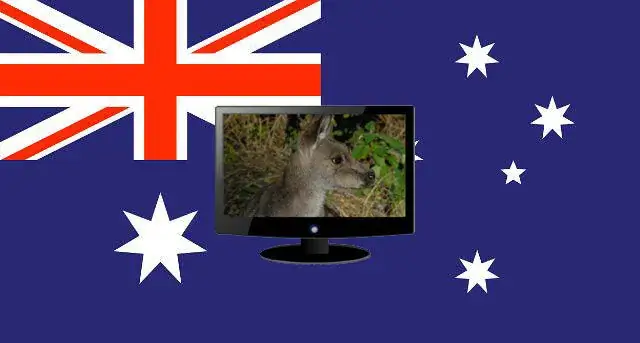
    Uni = university
    Unit = flat, apartment
    Up oneself = have a high opinion of oneself
    Up Yourself = Stuck up
    Ute = utility vehicle, pickup truck

    V

    Vedgies = vegetables
    Vee dub = Volkswagen
    Veg out = relax in front of the TV (like a vegetable)
    Vegemite = the registered trademark for a dark brown, salty, food spread made from yeast extract.
    Vejjo = vegetarian

    W

    Waffle on = talk too much
    Waggin’ school = playing truant
    Watering hole = pub
    Walkabout, it’s gone = it’s lost, can’t be found
    Whinge = complain
    Whingeing Pom = an Englishman who is always complaining.
    White pointers = topless (female) sunbathers breasts
    Whiteant (verb) = to criticise something to deter somebody from buying it
    Wobbly = excitable complaint to someone
    Wog = flu or trivial illness
    Wog = person of Mediterranean origin
    Wombat = somebody who eats, roots and leaves
    Woop Woop = middle of nowhere
    Wuss = coward; nervous person

    Y

    Ya = you
    Yabber = talk a lot
    Yabby = inland freshwater crayfish
    Yarn = chat
    Yakka = work (noun)
    Yewy = u-turn in traffic
    Yobbo = an uncouth person
    Yous = (youse) plural of you

    As you can see Australian slang can be quite colourful. We hope you have enjoyed learning some Australian slang and that it comes in handy on your visit to Australia.

    There are also some expressions not included above:

    Hang on a tick = Wait a moment

    Good Onya = Good on you, good for you

    She’ll be apples = It will be alright

    No worries = no problem

    Big smoke = big city

    Piece of piss = very easy (task)

    Its a no brainer = Its a foregone conclusion

    Learn more about Australian culture.

    Other Links

    You may also be interested in the following links:

    Australian Food

    Australian Film

    Actors (Australian)

    Television (Australian)

    Musicians (Australian)

    Sydney Wildlife Tours

    Sydney Events